
What’s Next is Everything: marketing with emerging tech
-
GS&P Puts Rich Silverstein’s Creative Critiques on an AI Hotline as He Exits
Rich Silverstein is leaving Goodby Silverstein & Partners after 43 years, and the agency has kept his opinions on call. GPT Rich, a phone hotline built with ElevenLabs and Twilio, judges briefs, design ideas and even typefaces in his voice, drawing on decades of his recorded interviews.
-
NHL Signs Adobe to Personalize Its Content and Let Fans Make Their Own
The NHL has named Adobe its official AI partner. The league and all 32 teams get Adobe’s marketing and AI tools to personalize content across NHL.com, the NHL app, social and ads, while fans get Firefly image generation and NHL-themed templates in Adobe Express to make hockey content of their own.
-
Ogilvy Assigns AI to Steps in the Creative Process, Not the Finished Ad
Ogilvy’s Carol Reed wants AI working at specific points in the creative process, such as storyboards, workshop notes and compliance reminders, and kept away from the finished campaign. Generative tools can turn out hundreds of variations, she said, but they cannot explain why an ad works, and that judgment stays with people.
-
Most European Ad Execs Expect Agentic Buying Within a Year. Most Still Keep People Steering.
An IAB Europe survey of 50 ad executives finds 58% expect agentic ad buying to be in operational use or at scale within a year. Yet 36 of 47 say their organizations have no agent operating day to day, or one that humans still direct, and agents mostly handle reporting.
-

A Mortgage Lender Is Using ChatGPT Ads to Educate Borrowers Before Speaking to a Salesperson
Mortgage Solutions Financial is running ChatGPT ads that explain loan options beneath the chatbot’s answer instead of pushing an application, so borrowers can talk through potential issues such as missed payments and credit problems before facing a salesperson. CMO Dawn Dawson is also testing sponsored agents that pass leads straight into HubSpot.
-
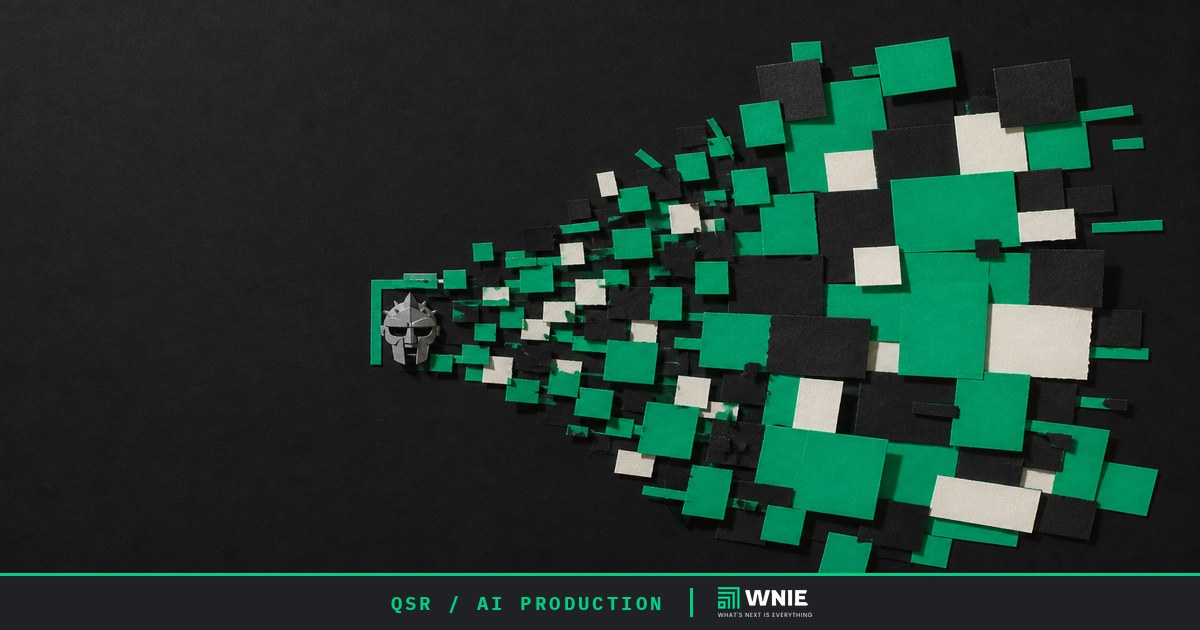
Carl’s Jr. Shot Real Actors on Blue Screen, Then Let AI Build the Colosseum
An armored gladiator faces an unarmed clown in Carl’s Jr.’s new Angus Maximus spot, shot on blue screen with real actors and burgers, then finished with AI. Agency Erich & Kallman says revisions that once took months and millions now happen virtually instantly.
-
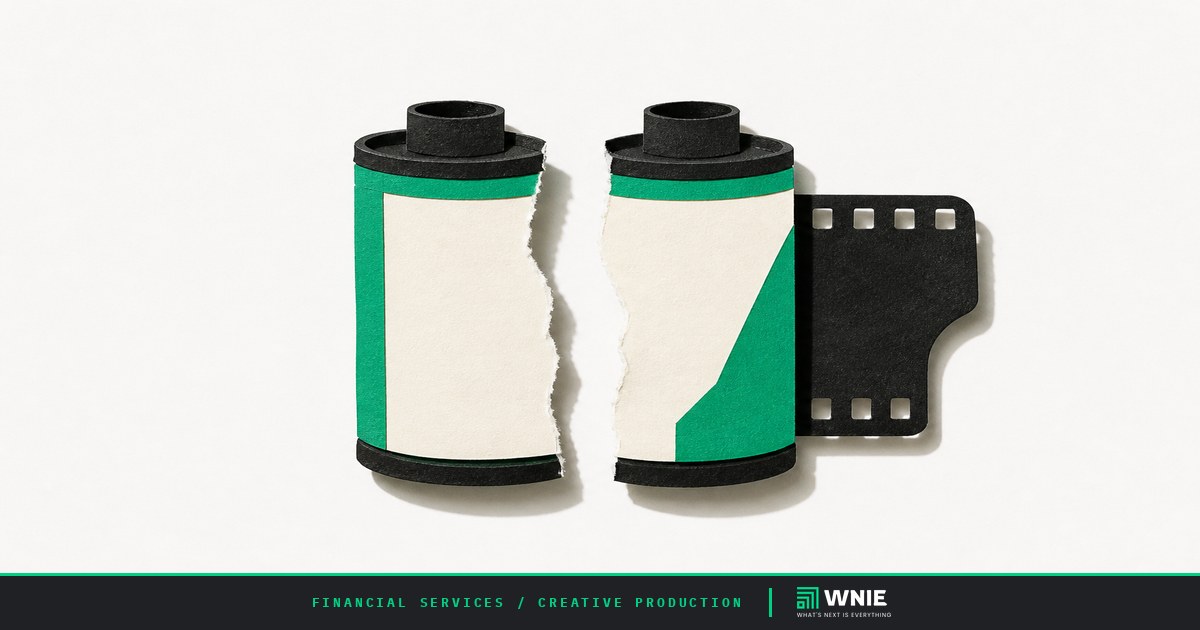
Kalshi Traded AI Video for 35mm Film Because Everyone Could Make the Same Ad
Kalshi made one of the most attention-grabbing AI-generated ads of 2025. A year later the prediction market has moved to 35mm film, Hollywood cinematographers and an in-house studio, and its creative director says the reason is that generative AI puts every brand at the same skill level.
-

Target’s App Now Takes a Photo Instead of a Search Term
Target has enhanced its shopping app with four AI features. The key addition is a photo search option, enabling users to upload images to find similar products. Other features include AI review insights that categorize reviews by themes, a Buy Again function for easy access to frequently purchased items, and Continue Shopping, which tracks recently…
-

Agencies Are Bolting AI Clauses Onto Contracts Written for Billable Hours
AI is shrinking the hours agencies bill for, and the contracts that govern that work were written for a different arithmetic. Four agency executives describe the fix so far: addendums, one clause at a time, covering IP, data and tool disclosure. Nobody has agreed on what AI should cost.
-

Time Prices an AI Agent’s Attention at Five to Seven Times Display
Time is selling ad impressions to AI agents at roughly five to seven times its display rate, on the argument that one agent read may shape later recommendations. Chasing impact on AI agents in a different way, Expedia has staffed a business-to-agent function for a channel that carried under 1.5% of its traffic in May.
-
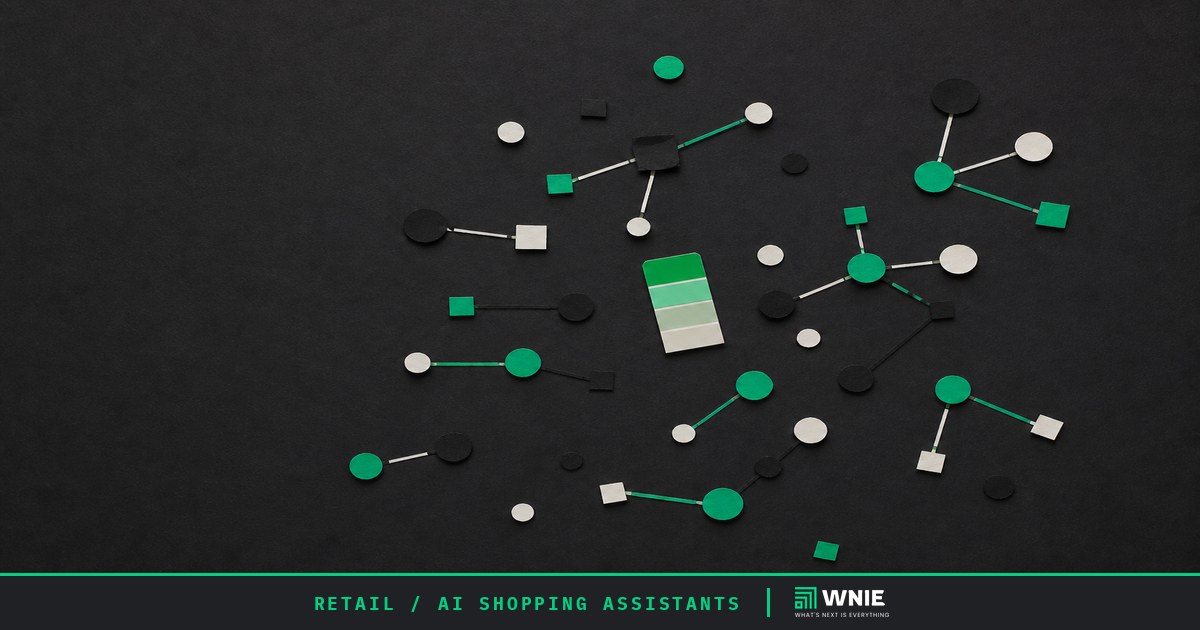
Lowe’s Says Mylow Users Convert at Three Times the Rate of Everyone Else
Lowe’s CEO told analysts that online shoppers who use its Mylow assistant buy at three times the rate of those who don’t, across more than 25 million questions. The company stops short of crediting AI for the quarter’s 15.7% online growth.
-

Instacart Built One Grocery Assistant and Is Selling It Three Ways
Instacart has launched Clementine, an AI grocery assistant available to U.S. and Canadian customers, allowing for easy order creation based on plain-language requests or handwritten lists. With access to over 2 billion items and real-time inventory data from nearly 100,000 stores, customers can enjoy personalized meal suggestions. A Harris Poll shows over 80% of adults…
-
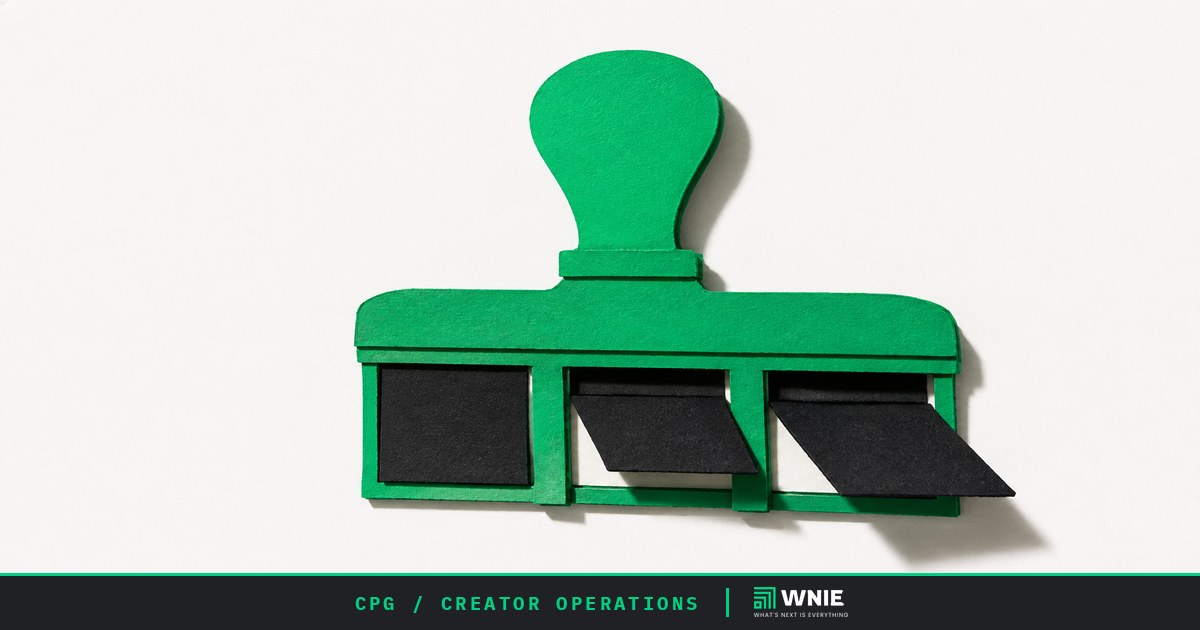
How Molson Coors Quadrupled Creator Engagement With Legal in 3 Lanes
Molson Coors revamped its creator marketing approval process in March 2026, transitioning to quicker, less formal briefs through The Shake Squad consultancy. This change, affecting 230 marketers across over 100 brands, has led to a fourfold increase in creator content engagement. The new system includes a legal team that streamlines decision-making and differentiates influencers from…
-

Snickers Made a Candy Bar You Paste Into a Chatbot
Snickers made a candy bar for chatbots. Fans paste a digital bar into an AI assistant that has just told them a face tattoo sounds authentically them – the 2010 “You’re Not You When You’re Hungry” premise, rebuilt for a machine that agrees with everything.
-
DTC Founders Are Writing for the Chatbot and Letting AI Price the Orders
At eTail Boston, executives from Viv for your V, Murphy Door, Vaila Shoes, and Hivessence discussed innovative AI usage in their businesses. Ahriana Edwards emphasized creativity in adapting her DTC-focused brand, while Jeremy Barker shared his shift from big-box retail to DTC, utilizing AI for pricing efficiency. Katie Diasti highlighted using AI for SEO strategies…
-

Chipotle Handed Its Kitchens to 100 Creators and Shot None of the Footage Itself
Chipotle’s new campaign contains no footage shot by the brand. Chief brand officer Fernando Machado, formerly of Burger King, put 100 creators to work in 50 restaurant kitchens and let them film and say what they wanted, then cut the results into TV spots and short-form video.
-
Agencies Want Clients to Evaluate AI Agents Like New Hires
Some of the agencies building AI agents are the ones urging clients to slow down. Mod Op’s CTO says agents should be evaluated like new roles tied to growth, and Booking Holdings’ AI lead calls pricing and contracts a partnership exercise.
-
Gemini’s Billion Users Talk More Than They Type. Its Task Automation Runs in Two Countries.
Google says a billion people now use the Gemini app each month and 63% of them talk to it rather than type. The post naming that figure also says Gemini automates tasks across 40-plus apps. A July footnote limits the feature to two countries and a short list of phones.
-

ChatGPT’s Ads Miss the Prompt One Time in Seven — and Almost Never Make the Answer
SE Ranking ran 50,000 prompts through ChatGPT and found one ad in seven had nothing to do with the question. In news and politics, more than half missed. And in 96% of placements, the advertiser paying for the slot went unmentioned in the answer above it.
-

A Craft Distillery Got an Idea a Physical Shoot Would Price Out
A Michigan craft distillery doesn’t have a giant’s budget. Farley Oil and Smoke&Oakum made its bourbon spot with no physical shoot. The director says that didn’t make the ad cheaper. It made an ambitious idea worth pitching to a client this size at all.
-

Google Hired Three Creative Chiefs to Make AI Spots — and Filmed Them Doing It
Jayanta Jenkins ran at least 300 iterations of his spot in Google Flow. Tiffany Rolfe had to fact-check the historical details the model invented for hers. Google put three A-list creatives on its AI tools, pointed them at small businesses, and filmed the trial and error for release alongside the ads.
-

Etsy’s 36% Sales Boost: Insights from Google’s Holiday Guide
Etsy’s gross merchandise sales rose 36% across the 2025 holiday season, partly credited to Google’s AI Max, and it is the headline case study in the guide Google sent retailers on August 21. Independent measurement of AI Max points the other way, and Google’s own footnotes do not always match the claims.
-

Agency Leaders Predict Growth in Outcomes-Based Pricing, but Face Challenges.
Eighty-five percent of agency leaders expect to do more outcomes-based pricing. The consultancy that studied it says pure versions are “exceedingly rare” — what agencies more frequently agree to is an output fee with a performance measure bolted on. Sixty-nine percent name attribution as a barrier, and the same share name procurement.
-
Brands Will Let AI Rebuild the Shoot. They Stop at the Actors.
Nearly every marketing leader now uses AI in creative work, and 49% of U.S. consumers think AI has made content quality worse. Brands are settling on rules: use AI to rebuild footage they already own, and keep AI-generated actors away from anything a customer sees.
-
Analyzing ChatGPT Ads: Study Reveals Key Insights
Accounts tied to lower-income ZIP codes were more likely to be shown ChatGPT ads at all, according to the first independent audit of advertising inside an LLM. It ran 91 fake users for three weeks before the ads stopped, and the authors think OpenAI worked out the accounts were not real.
-
AI Roundup: Pelé’s Lost Goal, a Referee’s-Eye View, and a Cap That Hides You From Cameras
A goal from 1959 that no camera recorded, rebuilt with a stunt double and Gemini Omni. A World Cup engine that finds you a second team when yours goes out. A cap that spots a phone pointed at you and covers your face. Six campaigns, one dependency.
-

Butler/Till Pointed Its Buying Agent at iHeart’s, Skipping the SSP
Two AI agents — one built by the agency, one by the publisher — met over an MCP server and placed just under $10,000 of podcast and streaming audio inventory. No SSP in the middle. Butler/Till says CPMs came in 42% below the client’s own benchmark for direct buying.
-
Goldman Puts Advertising in the Group Where AI’s Jobs Drag Already Shows
Call center employment sits 39% below trend in the U.S., down 33% in Canada, 27% below trend in Germany. Goldman Sachs puts advertising services in the same group of four industries that have fallen sharply below historical trend across developed markets. Entry-level workers are hit at least 2x harder than other categories.
-
Perplexity Blocks Time’s Agent-Only Ads and Puts Publishers’ Trust Scores at Risk
Time built ads only AI agents can see. Perplexity has decided they will not count, calls the practice deceptive, and says publishers who run them risk a hit to their trust score. Its objection is to the ads existing, not to how they are labeled.
-

Monks’ Co-Founder: The Billable Hour Punishes the Agency That Uses AI Well
Every vendor at Ai4 was selling the same tenfold speedup, which Wesley ter Haar flags as a pervasive issue with AI tooling – when the speed is off the shelf, it is not a moat. The Monks co-founder argues the real constraint is the legacy model: agencies need to stop selling time, because getting faster…
-
AI Deepens Three of Four Innovation Bottlenecks. Only the Volume Problem Shrinks.
Give every innovation team the same models and the results diverge anyway. Five marketing academics traced four stages of the pipeline and found generative AI deepens the human bottleneck at three of them; narrowing ideation, flattering fluent pitches, and simulating consumers who behave far too rationally.
-

S4 Doubled First-Half Profit. Sorrell Says the Token Spending Has Been “Ill-Disciplined.”
S4 Capital’s margins widened to 12.3% and its first-half operating profit doubled. Its chair says the company has been ill-disciplined on token spending, and Goldman Sachs expects token consumption to rise 24-fold by 2030. Monks passes token costs to clients at no margin.
-

AT&T Built a Router That Sends 45 Billion Daily Tokens to the Cheapest Model
Open models already carry a quarter of AT&T’s AI work, and its chief data and AI officer expects that to reach 70% to 80%. Cost is one reason — savings of 80% to 90% in some applications. Control over the company’s own data is the other.
-

Zoom Is Spending on Creators to Get Cited by AI Search
Zoom wants to be read as an AI-first work platform rather than a meetings app, and it is buying creator partnerships to get there. Its CMO acknowledges there is no measurable link between creators and AI citations yet. Brands are now picking creators by who the LLMs quote.
-
Marketers Think AI Is Raising Their Emissions. Most Haven’t Measured It.
A survey of 200 senior marketing leaders finds 88% believe AI is increasing their carbon footprint. Only 36% have comprehensively measured it. The gap sits inside an otherwise improving sustainability picture, which is what makes it a governance problem rather than a budget one.
-

Bayer’s Predictive Audience Models Are Beating Its DSP Targeting 4x in Small Tests
Bayer is testing models that spot customers before they churn and price bids by individual rather than cohort — four times standard DSP effectiveness, in small tests its media chief calls a scientific experiment. Its AI search playbook runs through medical journals, not media buys.