
Tag: content provenance
-

Time Prices an AI Agent’s Attention at Five to Seven Times Display
Time is selling ad impressions to AI agents at roughly five to seven times its display rate, on the argument that one agent read may shape later recommendations. Chasing impact on AI agents in a different way, Expedia has staffed a business-to-agent function for a channel that carried under 1.5% of its traffic in May.
-
Brands Will Let AI Rebuild the Shoot. They Stop at the Actors.
Nearly every marketing leader now uses AI in creative work, and 49% of U.S. consumers think AI has made content quality worse. Brands are settling on rules: use AI to rebuild footage they already own, and keep AI-generated actors away from anything a customer sees.
-
Perplexity Blocks Time’s Agent-Only Ads and Puts Publishers’ Trust Scores at Risk
Time built ads only AI agents can see. Perplexity has decided they will not count, calls the practice deceptive, and says publishers who run them risk a hit to their trust score. Its objection is to the ads existing, not to how they are labeled.
-

Dollar Shave Club Drafts the Founding Fathers Into the Razor Wars
On July 1, Dollar Shave Club rolled out “250 Years. No BS. Still Free,” a set of digital ad spots made in-house with generative AI. The setup: America’s forefathers, rendered in hyper-stylized Revolutionary War imagery, fighting “big razor monopolies.” It is the brand’s pricing grievance, but in a tricorner hat. The campaign also promotes $2.50…
-

YouTube Moves the AI Label Into Daylight
YouTube says it will start automatically detecting and labeling videos with “significant photorealistic AI-generated content,” shifting away from the creator self-disclosure system it introduced in 2024. The automated labels begin rolling out gradually in May 2026, using internal signals YouTube has not fully specified. For anyone who has ever gone spelunking in a video description:…
-

Ipsos Tested AI Ads Against Human Ones. Viewers Mostly Shrugged.
Ipsos set up a tidy little test for generative video: take 20 :30 ads from major brands, show them to 3,000 U.S. consumers in a distracted, “real feed” viewing environment via Ipsos Creative|Spark, and see whether AI-made work can hang with the human stuff. Half the ads were human-created originals; the other half were generated…
-

Brands May Actually Benefit From Advertising Next to AI Content, Per Study
A new study from OM Media Trials (Omnicom Media’s research unit) and brand safety vendor Zefr suggests the panic around ads appearing next to AI-generated content needs a little nuance. They surveyed nearly 5,000 people in the U.S. and Canada, testing reactions to ads placed after eight types of AI-generated video. The headline: some AI…
-
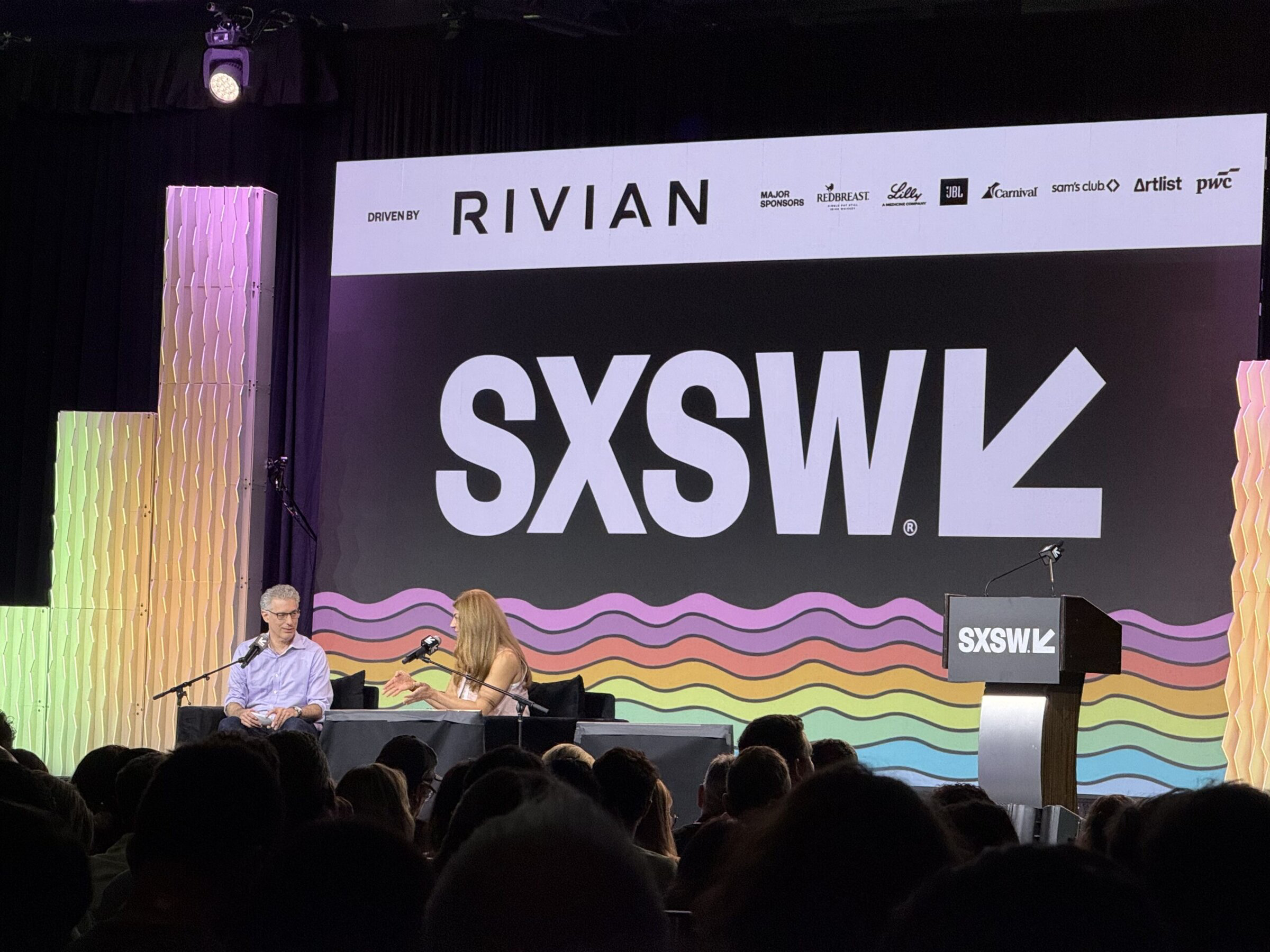
The Creative Majority Is Here, Relocating Agency Value
Nearly one in four people globally now participate in the creative economy. AI has made production near-universal. Platforms have flattened distribution. SXSW continues to pull together the group that reflects that shift—creators, brand operators, AI researchers, neuroscientists, agency leaders—all in the same rooms, working through what creative value looks like when high-quality production is no…
-
The $31.5% Question: When Does “AI” Need a Label?
AI disclosure in ads sounds simple until you start counting what qualifies: a generated background, a synthesized soundtrack, a digital human, a product demo that never happened. That nuance matters because labeling isn’t just a legal checkbox—it can be a performance tax. Research from NYU Stern and Emory University suggests AI disclosure can cut ad…
-

“Made by Humans” Becomes the New Flex
As AI-made “slop” clogs feeds, some brands are trying a different kind of label: not “made with AI,” but “not made with AI.” The pitch is simple—if consumers are increasingly suspicious of what they’re seeing, brands want to get in front of that skepticism by spelling out when people, images, and videos are real. Aerie…
-

Brand Safety’s New Headache: Deepfakes Wearing Your Logo
Gen AI is speeding up creative production. It’s also making it easier for a brand’s name, logo, or visual identity to show up in places it didn’t sign off on—and may never even see. Mod Op’s new offering, AI Risk Intelligence, is built around that blind spot. The agency’s premise: most misuse doesn’t go viral,…
-
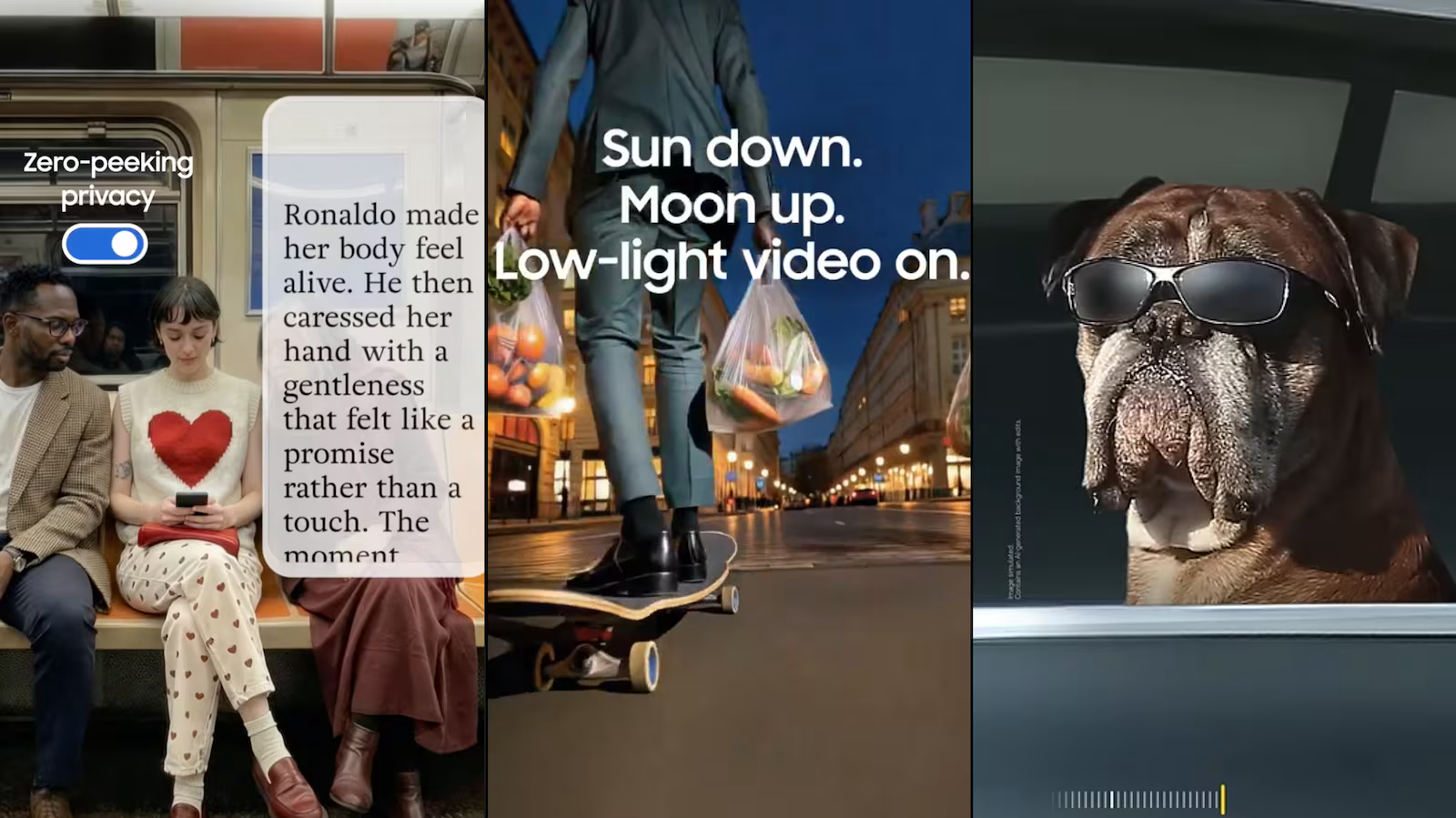
Samsung pushes Galaxy on social with with AI-generated material
Samsung is promoting its new Galaxy AI phone with a social-first video push that leans heavily on generative AI—sometimes subtly, sometimes not. One spot on X shows skateboarders cruising with groceries, with visuals that read a bit like polished stock footage; Samsung flags it at the end with: “This content was generated with the assistance…
-

Fembots, Football & Funny: What Viewers Want From Super Bowl Ads
Turns out Super Bowl viewers mostly want to laugh—with or without the help of an algorithm. A recent Harris Poll for Ad Age found that 71% of consumers are craving funny ads during this year’s Big Game, and humor is also what sticks, with 46% saying they’re most likely to remember a funny spot. Agencies…
-

Brands Trust AI More Than Gen Z Does—And It’s Showing
AI is now a staple in the ad toolkit, but don’t assume younger consumers are thrilled about it. According to new data from IAB and Sonata Insights, 82% of ad execs believe Gen Z and Millennials feel upbeat about AI-generated ads. In reality? Only 45% do—down from 2024—and negative sentiment among Gen Z has nearly…
-

Study Reveals AI-Only Ads Boost Engagement Over Hybrid Approaches
This one is going to be maybe a little controversial, or at least news that humans don’t want to hear. A joint study from NYU and Emory University has delivered a sharp rebuke to the idea that humans and AI make better creatives together. After testing GenAI ads across more than 100,000 impressions, the researchers…
-
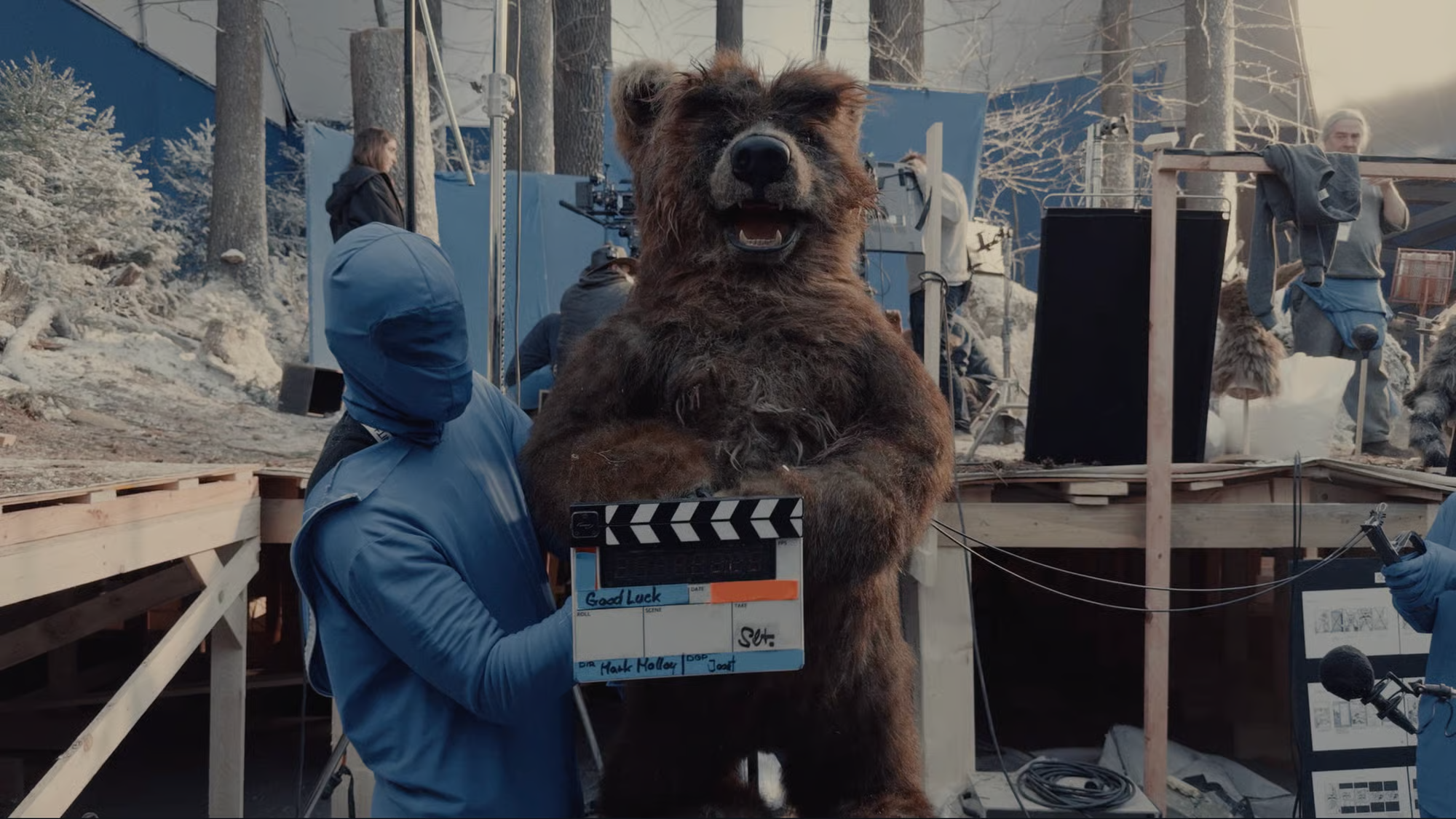
Brands wrestle with authenticity vs. AI
As AI-generated marketing proliferates—and fumbles—some brands are reaping rewards by leaning hard in the opposite direction: showing off the real, the tactile, the definitely-not-CGI. A spec Pepsi ad from filmmakers Luke Barnett and Noam Kroll pokes fun at synthetic storytelling with a self-aware script featuring six repetitions of the word “real” in just 60 seconds.…
-
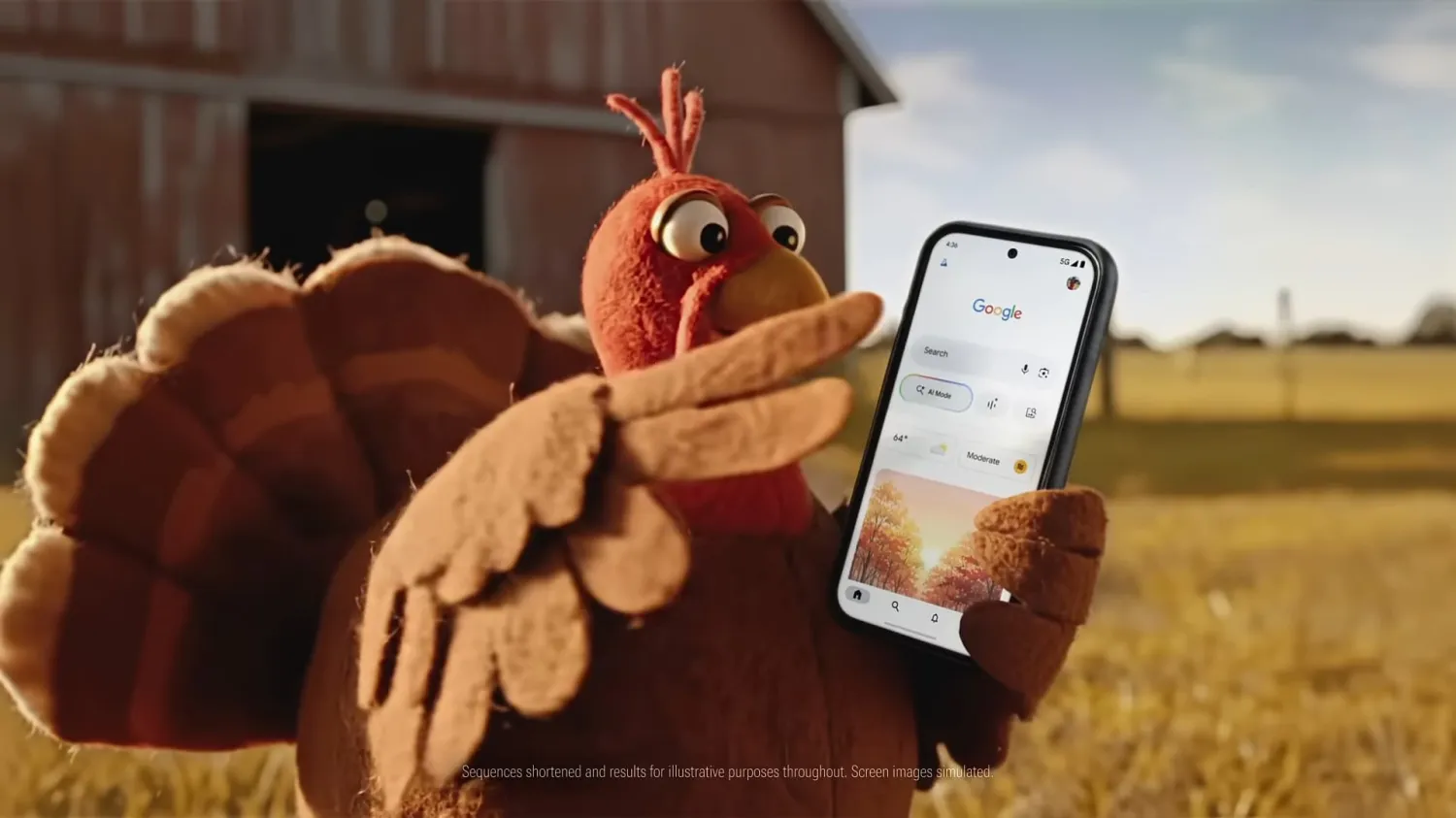
Tom the Turkey Books It: Google’s First AI-Generated TV Spot
Google’s latest ad stars a plush turkey fleeing Thanksgiving via Google Search’s AI Mode—and notably, the entire spot was built using generative AI. Created with Google’s in-house Veo 3 video model, “Quick Getaway” follows Tom, the stuffed bird, as he ditches turkey season for a spontaneous holiday. The prompt? “I need to go somewhere with…
-

AI in Advertising: Consumer Reactions and Emotional Engagement
System1’s deep dive into generative AI advertising reveals something pundits love to debate but consumers don’t appear to care about: whether or not AI made the ad. In testing 18 AI-generated spots across three countries and 2,700 viewers, ads created with machine help actually outperformed traditional ones on emotional engagement, scoring 3.4 Stars against a…
-

AI Gets a Side-Eye: Most Americans Want Tools, Not Takeover
A new Pew survey of over 5,000 U.S. adults reveals that Americans are cautiously circling the AI buffet—happy to try the data salad, but skipping the emotional entrees. Nearly three-quarters are open to AI helping with daily tasks, but two-thirds want more say in how it shows up in their lives. And when it comes…
-
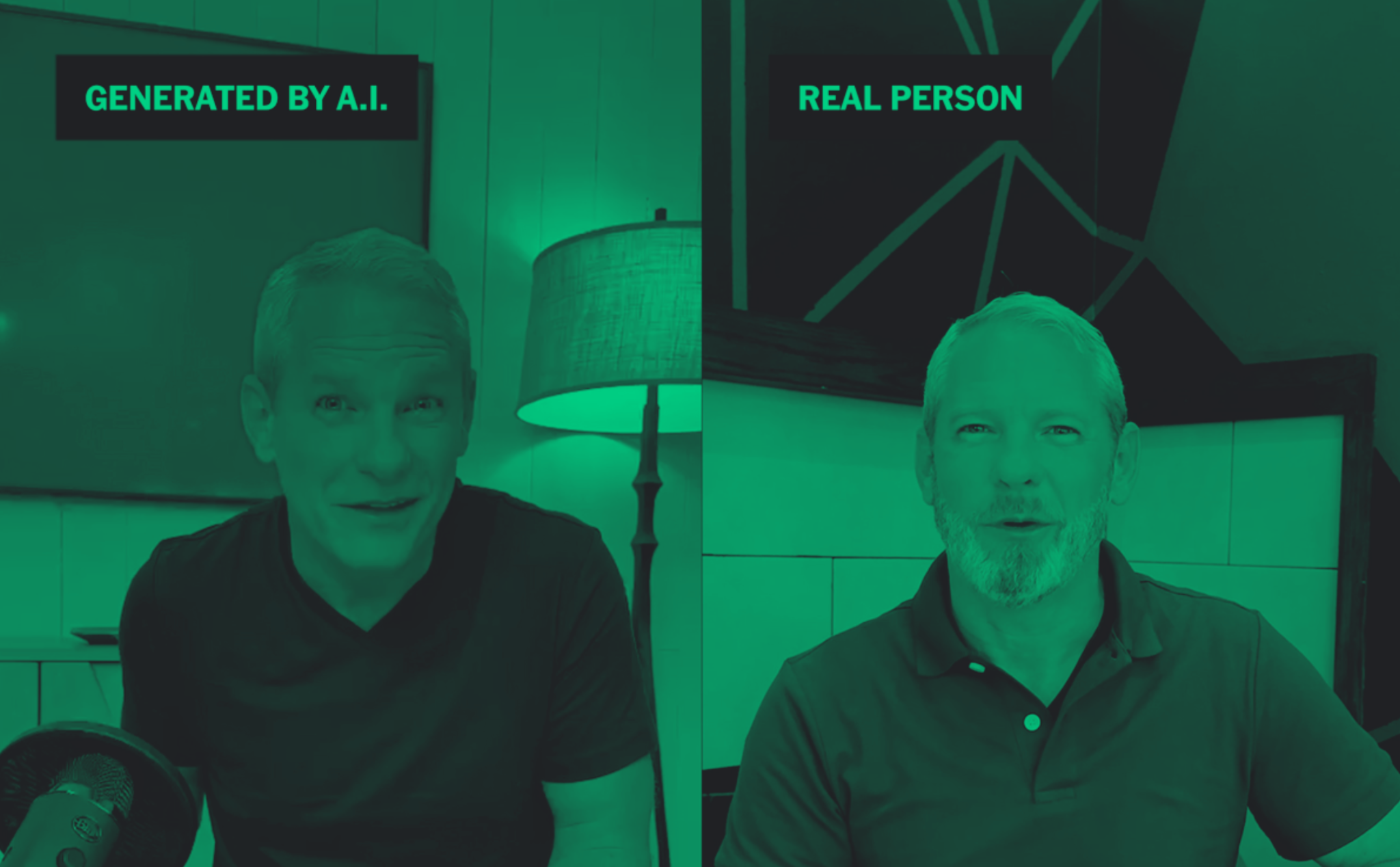
The Rise of AI Avatars in Digital Marketing
TikTok has introduced AI-generated avatars, allowing brands to utilize the likenesses of real people for advertising, as seen with Scott Jacqmein, who licensed his image for $750. These avatars help streamline ad production for businesses but raise concerns among actors about contracts that grant unlimited use of their virtual selves across platforms without royalties. While…
-
How Gen AI is Transforming Snapchat Ads: Key Findings
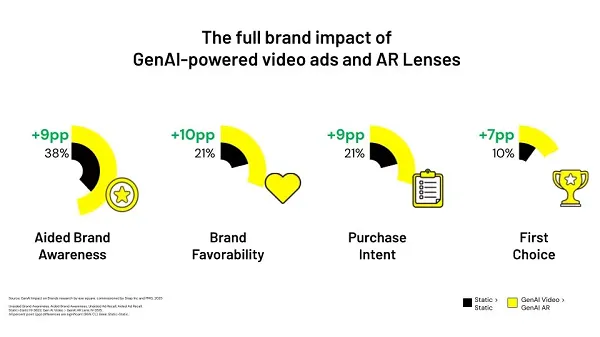
Snapchat’s exploration of Gen AI has proven beneficial, enhancing ad performance with engaging AR Lenses. A study involving over 14,800 consumers revealed that AI-powered video ads significantly improved user engagement compared to traditional formats, leading to higher buying intent and brand visibility. Moreover, Snapchat is democratizing Lens creation through generative tools for broader access. However,…
-
Generative AI Adoption vs Consumer Trust: The Disconnect
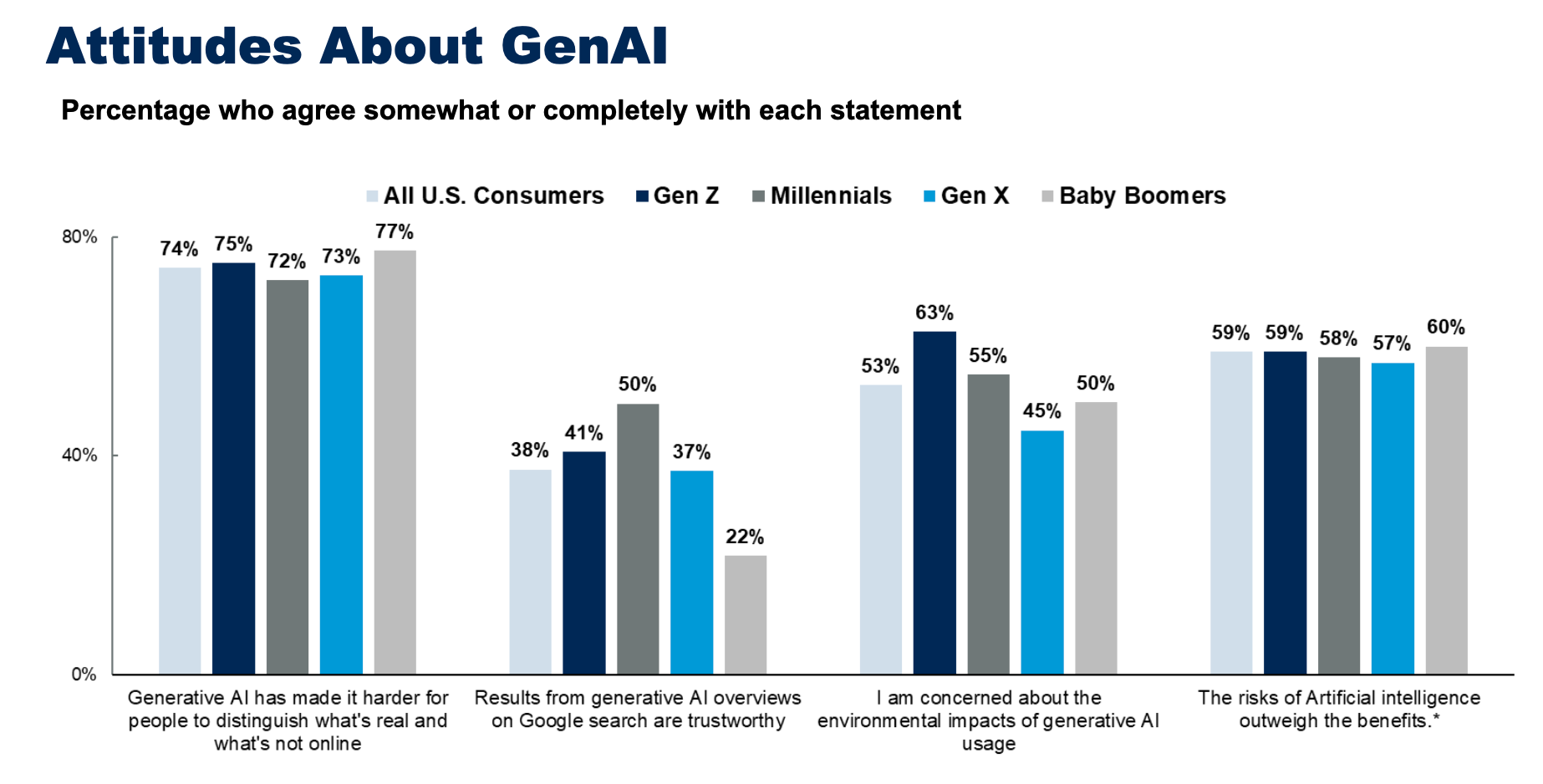
Generative AI is influencing creative processes and campaign planning, with its adoption in companies increasing from 20% in 2017 to 70% in 2022. Despite marketers successfully utilizing AI for creating campaigns, especially video ads, public skepticism remains high, as many consumers struggle to discern authenticity in AI-produced content. Big Tech firms are projected to invest…
-

The Backlash of AI in Fashion Ads: J.Crew’s Controversy Explained
J.Crew’s recent collaboration with Vans to evoke its ’90s look backfired when AI-generated visuals drew criticism for their unrealistic features, leading to online backlash over transparency. Many consumers, including Gen Z and millennials, distrust AI-generated content, highlighting a significant divide between brand pursuit of AI productivity and audience acceptance. While J.Crew later acknowledged the AI…
-
Suspected AI writing reduces trust
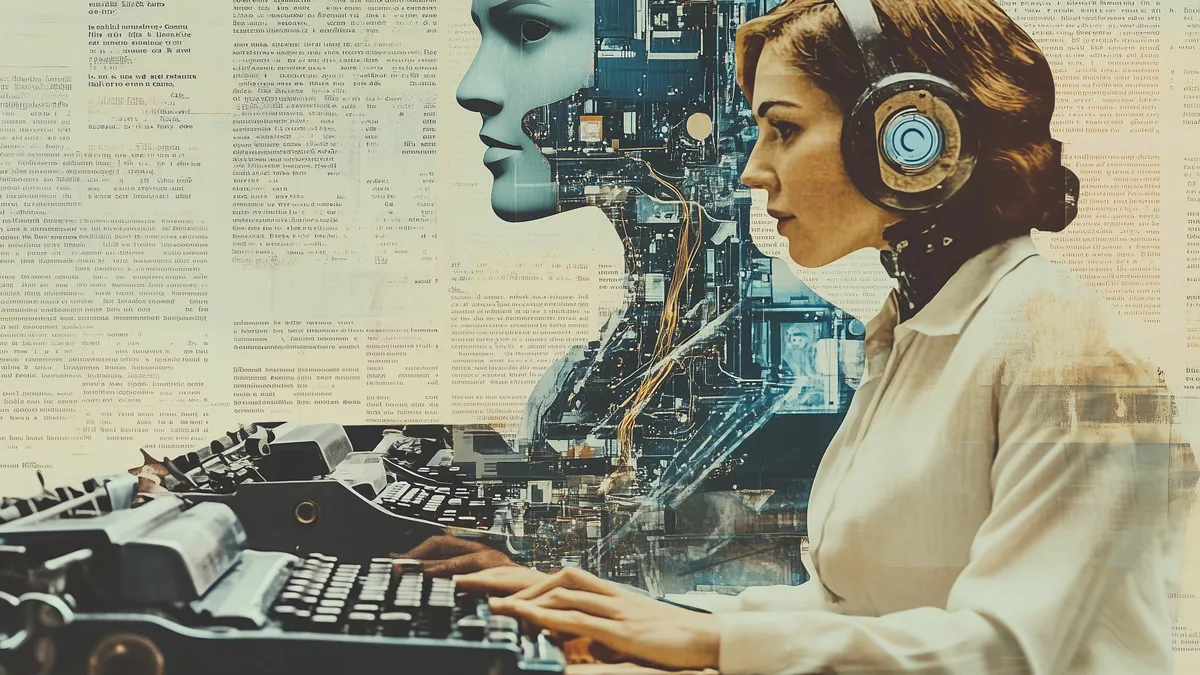
A recent study by Raptive, the digital media firm behind ad sales for publishers like Stereogum, shows that readers don’t just side-eye AI-written content—they flat-out trust it less. In a survey of 3,000 U.S. adults, Raptive found that when people suspected an article was generated by AI, their trust in the piece dropped by half,…
-

When the Pope in a Puffer Jacket Sings, You Might Learn Something
The Columbia Journalism Review is tackling AI misinformation with a beat you can hum. Their new campaign, “The PSAi,” turns viral AI-generated images—like a stylish Pope Francis or a Zuckerberg lurking outside a window—into animated, lip-syncing cautionary tales. Developed with TBWAChiatDay New York and scored by Pickle Music, the music video doesn’t just entertain, it…
-
When AI Crafts Ads, Are Viewers Checked Out?
Generative AI (GAI) in advertising is drawing attention, but not always the kind brands want. A NielsenIQ study, incorporating EEG scans of 150 participants and surveys of over 2,000 individuals, found that AI-generated ads often fail to engage viewers. Consumers frequently identified these ads as “annoying,” “boring,” or “confusing,” which adversely impacts brand recall and…
-

4A’s Noteworthy News – 24th Edition
If AI progress seems relentless, it may be because tech giants and startup investors are sparing no expense to make it so. This week’s earnings from Microsoft, Google, and Meta show not just a commitment but a flat-out arms race in AI investments. Tech giants, for their part, reported strong growth, fueled in part by…
-

4A’s Noteworthy News – 12th Edition
THE BIG STORY: Walking the GenAI Tightrope – Balancing Transparency and Trust in Advertising Recent articles reveal a critical balancing act underway in the advertising industry: transparency in AI usage is crucial to maintaining trust, but disclosing AI involvement risks alienating consumers. A study by Washington State University found that using the term “artificial intelligence”…
-

CPG brands see the need for content provenance solutions
Haleon is tackling the issue of fake ads by adopting digital watermarking technology to authenticate the legitimacy of their ads. This ensures that the endorsements from dentists for brands like Sensodyne are genuine and the research claims are real. The rise of generative AI has made it easier to create fake ads, prompting Haleon to…